Things are back in full swing in Dual Credit English now as the first paper of the new semester has been assigned! And it just so happens to be over Hamilton: An American Musical, my years of listening to the soundtrack non-stop are finally paying off. (and no, I will not be apologizing for however many Hamilton jokes I manage to fit into this blog post.) Despite my familiarity with the musical beforehand, I still had lots to learn about the way Hamilton used rhetoric as means to tell a story and reflect the cast of characters. Through reading the textbook, class discussions and taking the time to look deeper into the lyrics themselves, I find myself appreciating the musical even more than I did before and furthering my knowledge of rhetoric and how to find uses of it in works both fictional and not.
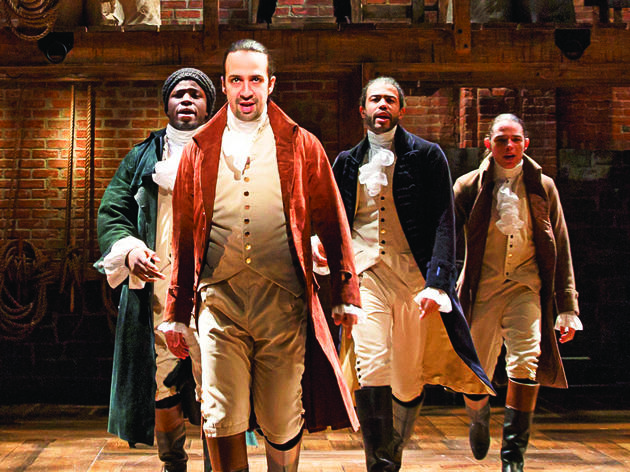
Hamilton is filled with tons of rhetoric, ranging from ethos to both logos and pathos and all of these different forms work to make for a well written story with layers upon layers of meaning. There are so many different forms and uses of rhetoric in the play that I could not discuss all of them, as I would miss some along the way. Personally, one of the most interesting ways Hamilton uses rhetoric differently for every song and character. Hamilton himself uses logos and ethos almost exclusively, almost never using pathos. But other characters such as Peggy or Maria only use pathos. I think this is interesting and says certain things to every character.
This week was pretty stressful for me, actually. I have been having a running problem with my party members that I play with weekly. Since basically the beginning of the sessions, I have been talked over and several people have undermined my authority over the game in areas such as spell uses, if rolls are successful or not, and general plot that I wrote myself, as the entire campaign is homebrewed. This problem has been growing and getting out of control, so I needed to consider how to get them to listen to me. Before I had been using various forms of pathos by stating that by my party members not listening I had been getting more and more stressed and annoyed and it was seriously affecting my DM-ing ability. I had also been attempting to use ethos by stating that I was the DM and therefore they needed to listen to me, as that position tends to carry more respect and responsibility in the world of DnD. Both of these tactics were not getting through to my party members, and with my newly found discovery of how effective logos can be if used correctly, I decided to see if logos would be as effective here as well. To back up my logic that the DM holds the final say in DnD, I referenced official books stating the basic rules for any DnD game, taking full quotes that supported my logic [this was also a use of ethos]. My argument using these strong logos and ethos forms of rhetoric was very successful, as my party as learned to listen to some extent. We will see how effective this argument was long term in the following weeks.
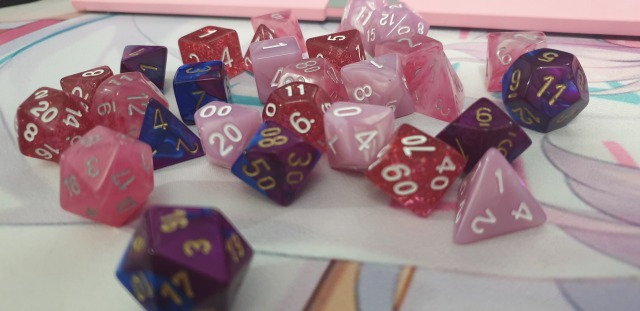
This week I want to stray away from musical analysis, as I have done that every single week thus far, which isn’t that many to be fair, but still I feel like it is time for something new. I actually want to discuss more on the topic of DnD, particularly my own campaign and the rhetoric I have unintentionally put within it. For reference, my campaign is about playing though a game made to determine which pantheon of Gods will be have domain over the universe until the next game takes place. The party’s job is to protect their God and kill the other opposing one by fighting him off, and thusly winning the game. Each party member also has a role they must play, one of them has been chosen as the Betrayer, someone who will deceive and then let down their entire party when they need them most, labelled as the villain of the game.
This statement, however, is wrong. The antagonist of the campaign is instead the one who created the game as a way to kill off her fellow Gods so she could reign supreme. But through presenting her as a God, more specifically one that is not evil in the eyes of the party, they would not and do not suspect her of having ulterior motives. This idea gives this Goddess credibility, or ethos, and therefore gives the game itself ethos as well given that she, the Goddess, is the creator. I have also played off a popular way to structure a logos argument shown below.
This Goddess is good and a God.
This game was created by this Goddess
Therefore, this game is good.
This shows plainly the logic I correctly assumed the party would use in determining if they should believe the game or not.
The party believes the Gods because of their powerful position and the ethos that this position comes with, so they do not suspect that this one Goddess in particular nor the game she has made. They do not suspect that both are actively lying to them and causing them to inadvertently bring about the end of free will in their world. I am also using the logos argument I laid out earlier.
Citations
“#Dndbeyond Tumblr Posts.” Tumbral.com, http://www.tumbral.com/tag/dndbeyond.
Hamilton: An American Musical. By Lin-Manuel Miranda, directed by Thomas Kail, 21 Apr. 2016, Richard Rodgers Theatre, New York, NY. Performance.
Miranda, Lin-Manuel. Hamilton: An American Musical. Performances by Lin-Manuel Miranda, Leslie Odom Jr., Phillipa Soo, and Jonathan Groff. Atlantic Records, 2015.
 Liz Doolin, Lab Blog for English